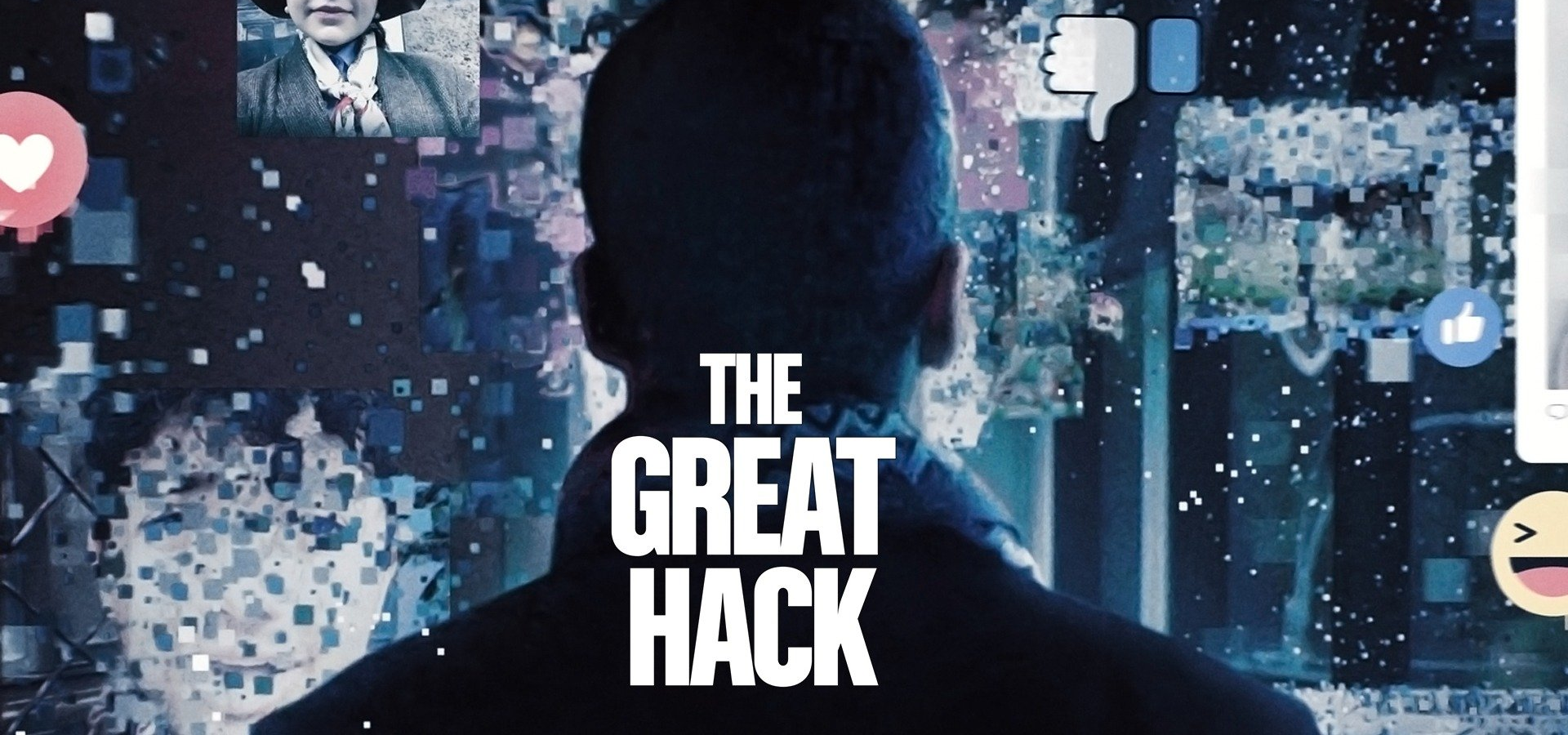
As part of my effort to keep my finger on the pulse, I settled in on this rainy Saturday night to watch The Great Hack – Netflix’s new documentary about Facebook and the Cambridge Analytica scandal concerning the use of user data in political campaigns. It had reviewed well and the streaming service has a track record for producing decent original content, so I was surprised when two hours later I was left slightly disappointed.
The production was slick and the narrative was there – this would be a fair introduction if you were unaware of the scandal – but there were a few too many empty cliches about how “we are the product” and “data is now more valuable than oil”. I felt like I learnt very little new information about what happened and was instead watching a series of people who were involved to varying degrees attempting to either make or clear their names.
Of particular concern was the way it portrayed former Cambridge Analytica director Brittany Kaiser as a reformed heroine when her actions at any point were angled towards whatever was profitable to her. It was profitable to work with the Obama campaign and it was profitable to work for Cambridge Analytica and become a gun-toting Republican.
In fact, she only seemed to turn against data-driven political campaigning once it became apparent that a career as a privacy advocate might be more fruitful. And at one point in the film when it looks like things might turn against her in that arena she heads straight for the airport to leave the United States, leaving her belongings behind at a hotel. Despite behaviour like this, the documentary still seems to take everything she says at face value.
I felt like The Great Hack could have been a lot more and asked many more interesting questions than it did, but maybe I was expecting too much because I work in technology and followed the story of the Cambridge Analytica scandal as it broke. If the film serves as a gateway for the unaware to learn about the risks that come with big data then that’s a good thing, but there’s still a lot of ground for a deeper-diving documentary to cover.
 Stack Stubs