Grand Theft Auto IV

Grand Theft Auto IV… Probably the last GTA of an era when you bought a game, put the DVD in your console, and played. Probably the last GTA without a never-ending online mode designed to milk money from players. And definitely the last GTA where, without the internet detailing every square inch of the map, rumours and secrets spread between friends added to the excitement of exploring a new Rockstar creation.

GTA IV was grittier than any other entry in the series – much more grounded. The map was denser, too – when you stepped into Liberty City, you really felt like you were walking around New York, discovering little bits and pieces on each corner. These were back in the days when you could simply wander the streets listening to pedestrians’ conversations, too. They wouldn’t inexplicably turn hostile like the bystanders in GTA V.
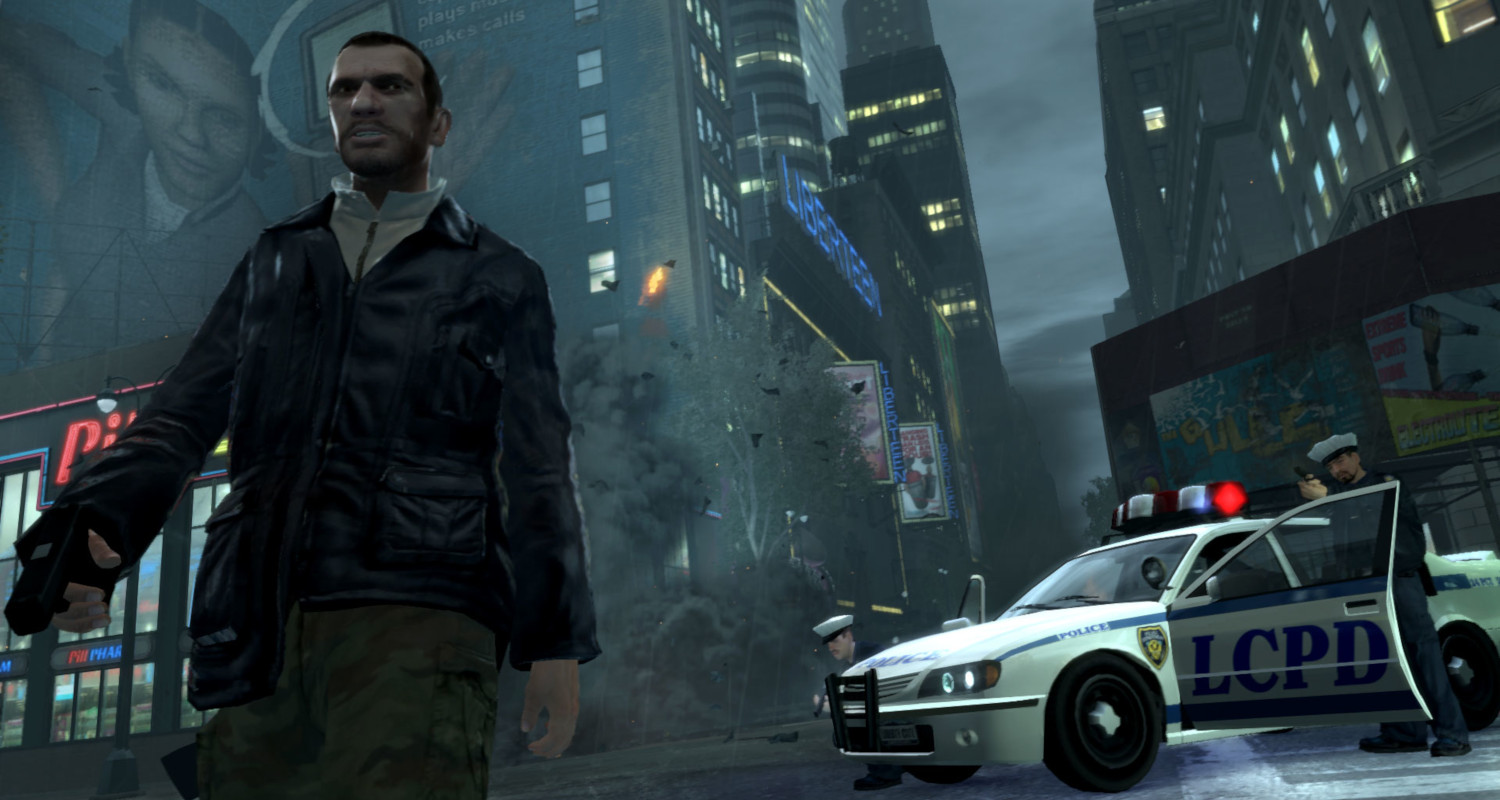
Nothing keeps Niko Bellic from a round of bowling

The police in GTA IV also had one up on their successors in that ther AI just… made sense. Cops patrolled the map – they didn’t just spawn as soon as the player committed a crime – and they would make an effort to try to arrest Nico, rather than almost immediately making crazy attempts to shoot him down or ram him off the road. Like the setting, it made GTA IV feel more realistic and immersive and less… gamey.

With six years having passed since the release of GTA V, Rockstar must be deep into the development of a sequel, and it can’t be long until the public gets a peek. I don’t know how likely it is given the success of the latest game (and its online mode), but I really hope that GTA VI’s atmopshere is more like that of our last trip to Liberty City – less jetpacks and fighter jets, more grimy streets and a smaller, more carefully crafted map.

Formula 1 British Grand Prix 2019

This weekend I got to fulfil a lifelong dream and attend a Formula 1 Grand Prix. Silverstone was the venue, and after a long journey out to Northamptonshire and a night in a hotel, I was straight on the bus to a racing circuit on which I’ve watched numerous races and driven countless laps in various video games since the 1990s.

A Silverstone Formula 1 ticket grants you roaming access on Friday and Saturday and a reserved seat on Sunday, so during the practice sessions I was able to watch from some of my favourite parts of the track, including Maggotts, Becketts, and the new start-finish straight, where I snapped my favourite photo of the weekend as the legend that is Kimi Raikonnen sped past in his Alfa Romeo towards turn one in Free Practice 2.

The Iceman speeds past his fans to begin a new lap

The crowd’s excitement increased noticeably before qualifying, which was a tight affair, with Valtteri Bottas just edging out home boy Lewis Hamilton. The atmosphere for the race itself was amazing – next level – and the two Mercedes drivers rose to the occasion as I witnessed a spectacular battle for the lead around Luffield on the opening laps.

In the end it was the timing of a safety car that handed Hamilton the victory, but while it was a shame not to see the fight for first play out, the British crowd were more than happy with the result. The cheers and waving Union Jacks only added to the occasion. I had a great time at my first ever Formula 1 Grand Prix and I can’t wait for the next!

I, Robot – Reason

I’m making an effort to get around to films, books, and music I’ve always meant to try, but have never made the time for. Next in line is science fiction writer Isaac Asimov, whose collection of short stories I, Robot was sitting on the shelf of a local charity shop. It took me a while to get to grips with his style, but now I’m nearing the end I’m gripped.

A story that surprised me was Reason – one that moves beyond science fiction to allude to arguments around philosophy, religion, free will, and the meaning of life. It centres around a test of the robot Cutie, designed to run a space station, who refuses to obey human commands and is subservient only to what it calls “The Master”. It converts the outpost’s entire robotic crew to its ideology, and essentially holds the humans hostage.

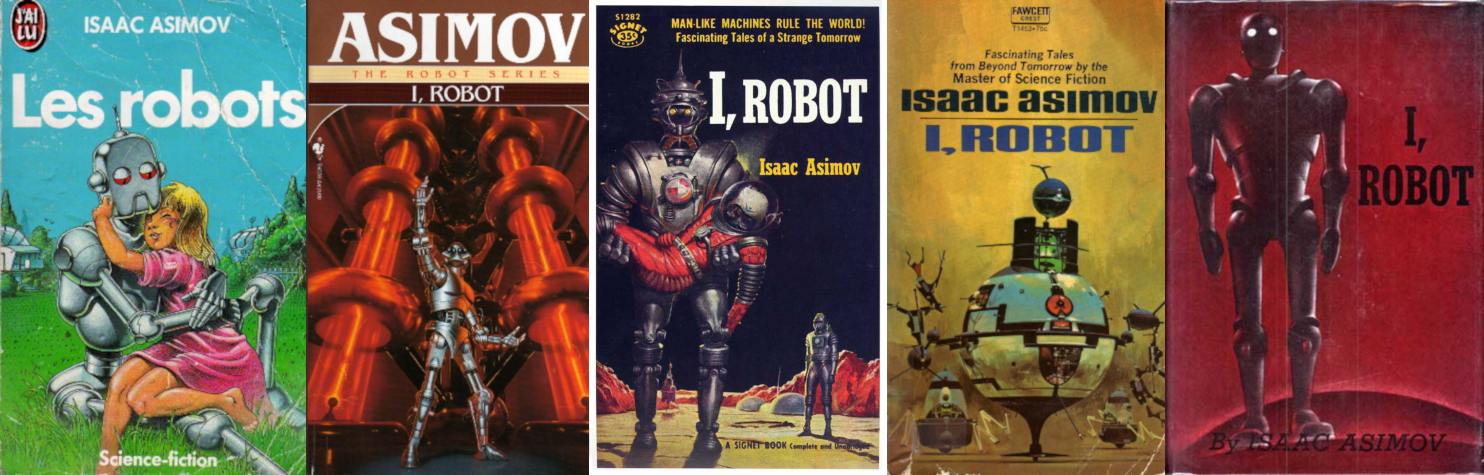
I, Robot covers – all of them cooler than the one I have

But by the end, Cutie’s operators realise that there’s no point in reeducating the robot. While they have been held captive, the station has been run perfectly well – they reason that Cutie was following the second law of robotics, knowing that humans would come to harm if it wasn’t. They even reason that future robots should spend time with Cutie to learn to serve The Master before they are deployed elsewhere.

There’s more to the story than this (go and read it!), but it raises many interesting questions. How can we be sure of our origins? Are our motivations really our own, or are our actions part of a bigger plan? And do our intentions matter, or is it purely our outcomes and their impact that we should be concerned with? Asimov’s work has made me want to pick up the philosophy classics I studied as a teenager again…

Weezer at Brixton Academy

I’ll be honest: when Rivers Cuomo took to the stage and Weezer launched into their 1994 single Buddy Holly, I was a bit worried. The frontman’s choice of outfit and the way he handled himself reminded me more of Johnny Knoxville’s bad grandpa character than the lovesick poet of songs like Across the Sea, and I thought I might be in for a long night.

How wrong I was! With the formality of the band’s biggest hit out of the way, what followed was mainly a mix of Blue Album (My Name Is Jonas, Undone – The Sweater Song, Surf Wax America, In The Garage) and Pinkerton (Why Bother?, El Scorcho, Pink Triangle, The Good Life) favourites that were belted out by band and fans alike.

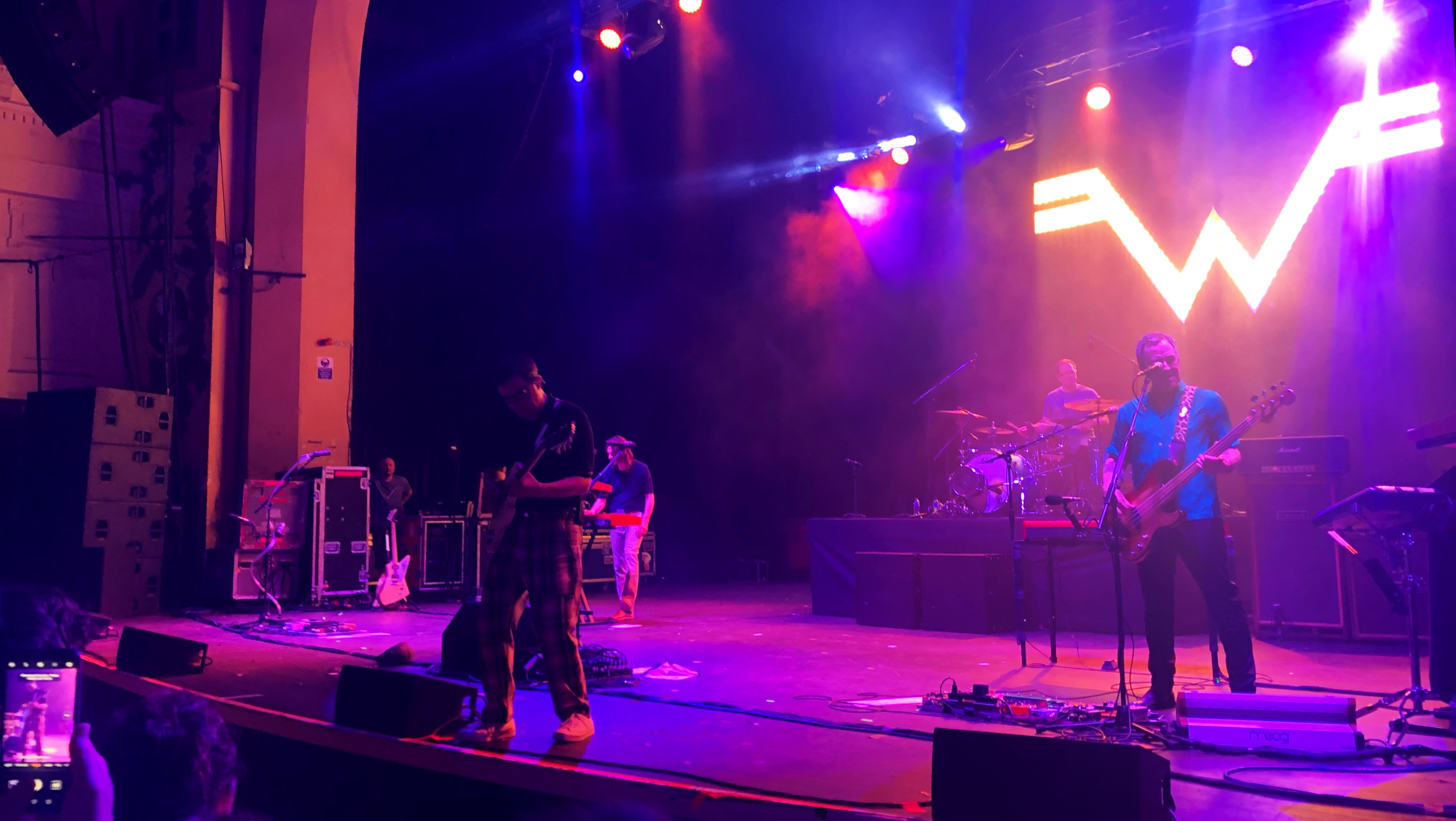
Weezer on stage at Brixton Academy (missing: Rivers Cuomo’s old man hat)

Seriously, I don’t think I’ve ever been to a gig that was this much of a singalong – made possible by a perfect storm of beloved 1990s songs and covers from this year’s Teal Album (Happy Together, No Scrubs, Take On Me, and of course Africa) and culminating in a encore performance of Say It Ain’t So that saw the chorus yelled from every corner of the Brixton Academy. It’s safe to say very few people left early for the Tube.

By 11pm I was in a daze. This gig was hard work – the singing, jumping, and dancing didn’t stop during the band’s 90-minute set thanks to the constant stream of fan favourites. I was covered in sweat and, in all honesty, feeling a bit faint. London had hit 34 degrees during the day and throwing myself into a 1929 building full of Weezer fans wasn’t exactly the best way to cool down. But I can honestly say it was completely worth it.

Drive

I’ve really been getting into the retrowave style over the last year or so, but one place I wasn’t expecting to find it was in the 2011 film Drive, starring Ryan Gosling as a movie stuntman turned getaway driver who gets into trouble with some local gangsters.

The intro scene was a particular highlight. Gosling visits Bryan Cranston, who gives him the keys to a 2006 Chevrolet Impala – “the most popular car in the state of California”. What follows is a clever and tense car chase scene, set at night and illuminated only by headlights and the neon colours of the dashboard. The whole thing is almost silent, with only engine noises and synthwave music providing the soundtrack.

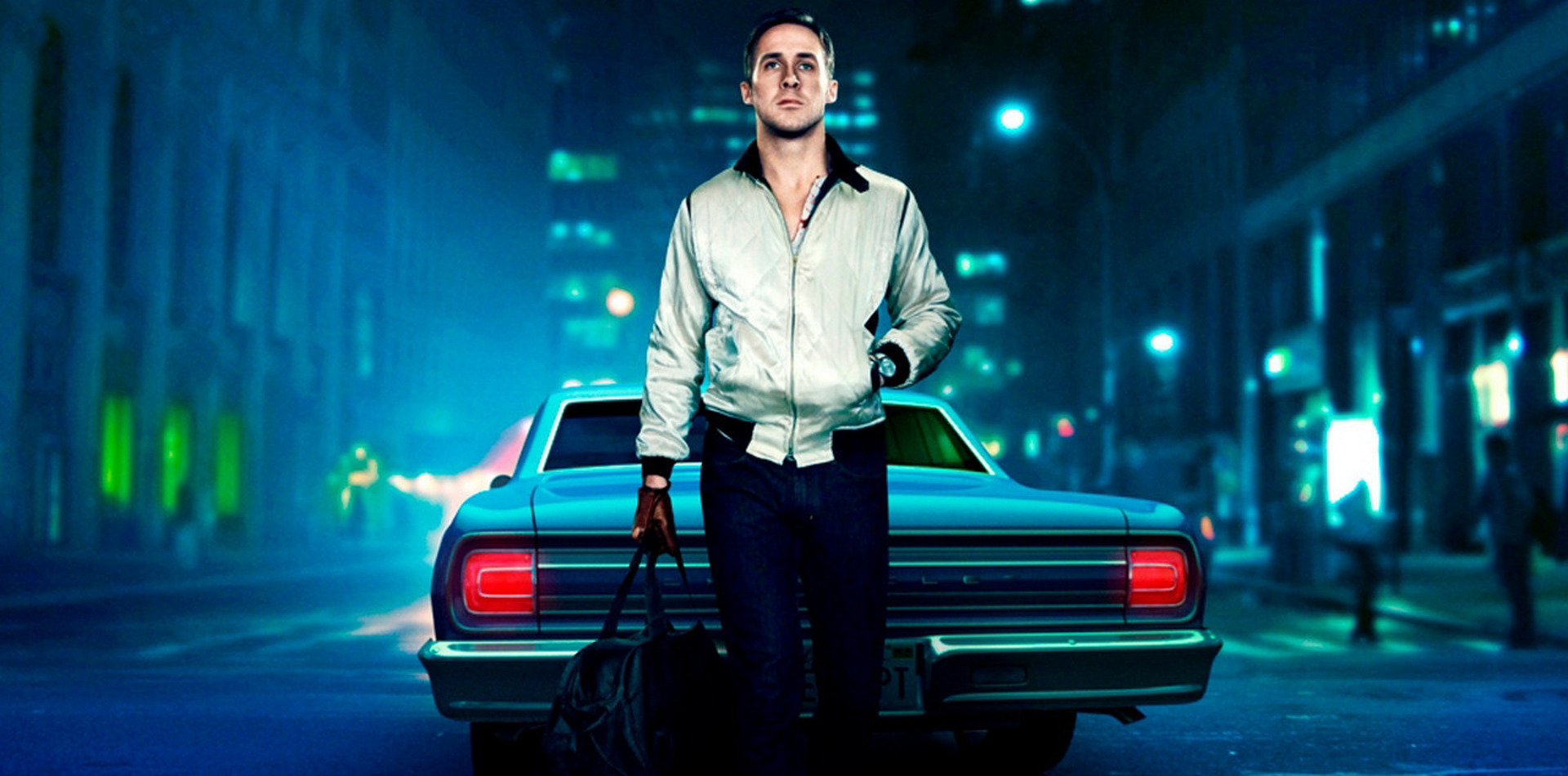
Ryan Gosling as the nameless lead character in Drive (2011)

As the film goes the storyline turns to some typical gang stuff, which is less engaging, but the mood is sustained throughout. An interesting detail is that Gosling’s lead character is never named – referred to only as “driver” in the credits – and he has very little dialogue over the course of the movie, with other characters often making assumptions about his reactions and breaking the silence to keep conversations going.

Drive’s plot is by no means perfect, and if this was another film done differently then it would have lost my interest somewhere in the middle. But for anyone else into synthwave or retrowave, or who just likes movies with unique styles, I’d recommend jumping into the waiting open door and letting Ryan Gosling take you for a ride.

Watch Dogs: Legion E3 reveal

The first Watch Dogs was dull and suffered the consequences of going back on its promises. The second Watch Dogs was a lot more fun and one of the underrated greats of this generation. There were a lot of rumours around the third title – a London setting, multiple player characters – but what would Ubisoft actually deliver?

E3 2019 gave us the answers, and while it would be easy to focus on the bad (the dodgy English accents, the abundance of gunplay in a game about hacking, the non-existent Trafalgar Square Tube station), the demo gameplay gripped me as much as a technology enthusiast as it did as a gamer. Some of the systems at play were simply spectacular.

At least the future Piccadilly Circus has fewer tourists

Watch Dogs: Legion, as it turned out to be called, has no main character. Your DedSec squad can be assembled from any of the inhabitants of near-future, cyberpunk London, all of whom have their own lives, their own opinions on the hacking group, and go about their day-to-day business in the city. If what was said is accurate, it’s a huge acievement.

The mind boggles when you think of all of the character generation systems, writing, voice acting, cut scene development, and background processes that went into this. And by coupling such an exciting feature with an neon-augmented open-world London, Ubisoft have guaranteed that they will have my attention until the game’s release next March.

The joy of logging

Logging is the unsung hero of software development. At best it’s viewed as functional, and at worst it’s seen as a chore to implement and clutter in the working directory. But to me, there are few better tools to debug code in development, monitor for issues, and identify security incidents – and the bigger the repository for investigations, the better.

I recently finished implementing a basic logging system for a home project I’ve been working on this year. It’s very simple – at the beginning and end of each task the code calls a logging function and records what it was doing and whether it was a success or a failure. Still, the results have been invaluable in understanding crashes and issues ever since.

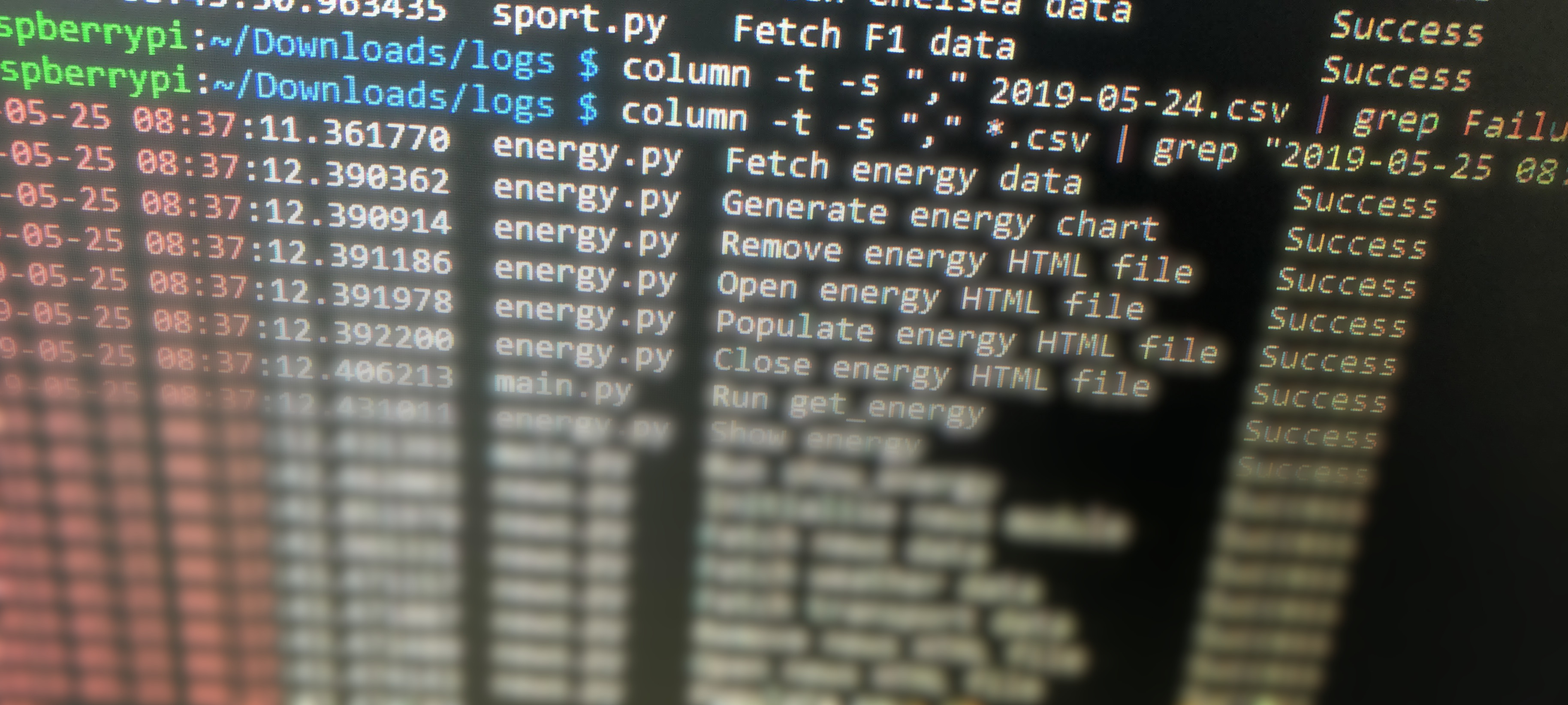
There’s a strange satisfaction to be found in gathering and filtering logs

I’d never done much log manipulation in the Linux command line before, either, always having had access to more sophisticated tools. After doing some digging (read: Googling), one of the biggest weapons in my arsenal is now the column command, which can read CSV files into neat tables, making them a lot easier to read in the terminal.

Combined with grep, it’s a powerful tool for searching a directory full of log files and displaying the results in a nice format. For example, I can search my logs for the word “Failure” to see any times where an action went wrong – perfect when you’re testing an application that’s designed to be run for long periods of time without interruption.

Muse at the London Stadium

It’s difficult to know what to make of Muse’s gig at the London Stadium last night. Crowd management issues and a bland setlist might have left a sour taste in the mouth, but the band’s performance and the sheer scale and production value of the Simulation Theory Tour show were the main things I will remember from the evening.

You can’t deny that this show was one hell of a spectacle. Matt, Dom, and Chris were joined by a plethora of dancers, who did everything from firing smoke guns and abseiling up and down the stage’s LED screen in biohazard suits to commandeering giant metal exoskeletons. At one point Bellamy played a Simulation Theory-themed arcade machine, and the rock-heavy finale was invaded by a giant animatronic robot.

Giant robot Murph overshadows the Teignmouth trio

The setlist featured most of the Simulation Theory songs you’d expect – Algorithm, The Dark Side, Propaganda, Break It To Me, and the superior acoustic gospel version of Dig Down – alongside a selection of Muse’s greatest hits – Supermassive Black Hole, Starlight, Hysteria – and one or two surprises in the form of Bliss and Take A Bow.

There were a few heavier songs, including Stockholm Syndrome and New Born, but their lengths were significantly cut, and anything more obscure was relegated to the group’s “metal medley” – fans around me seemed just as disappointed when favourites like Assassin and Futurism were cut off just as they were getting going.

But this is the reality of a Muse album tour gig in 2019, I suppose. Fans like me who hope for older rarities are probably better off going to one of their smaller, rarer charity shows (if you can get a ticket). The other bonus to those gigs is that you won’t have to deal with the mess that was the London Stadium’s non-existent queueing system, the clueless stadium island staff, and the hour-long queue for the post-gig Tube home.

Hitman

Can we talk for a moment about what a masterpiece Hitman (the 2016 reboot) is? I’d seen bits and pieces of it before when it was popular with streamers, but I finally picked up my own copy the other day in a Steam sale and have been hooked ever since.

I’ve always liked stealth games like Splinter Cell and Metal Gear Solid, but their detection systems generally work in a binary basis – either you’re hidden or you’re being shot at. The Hitman series has always tried to do more than this, with disguises and varying levels of suspicion on the part of targets, guards, and bystanders, but this is the game that finally pulls it off in the way I’m sure the developers have always dreamt of.

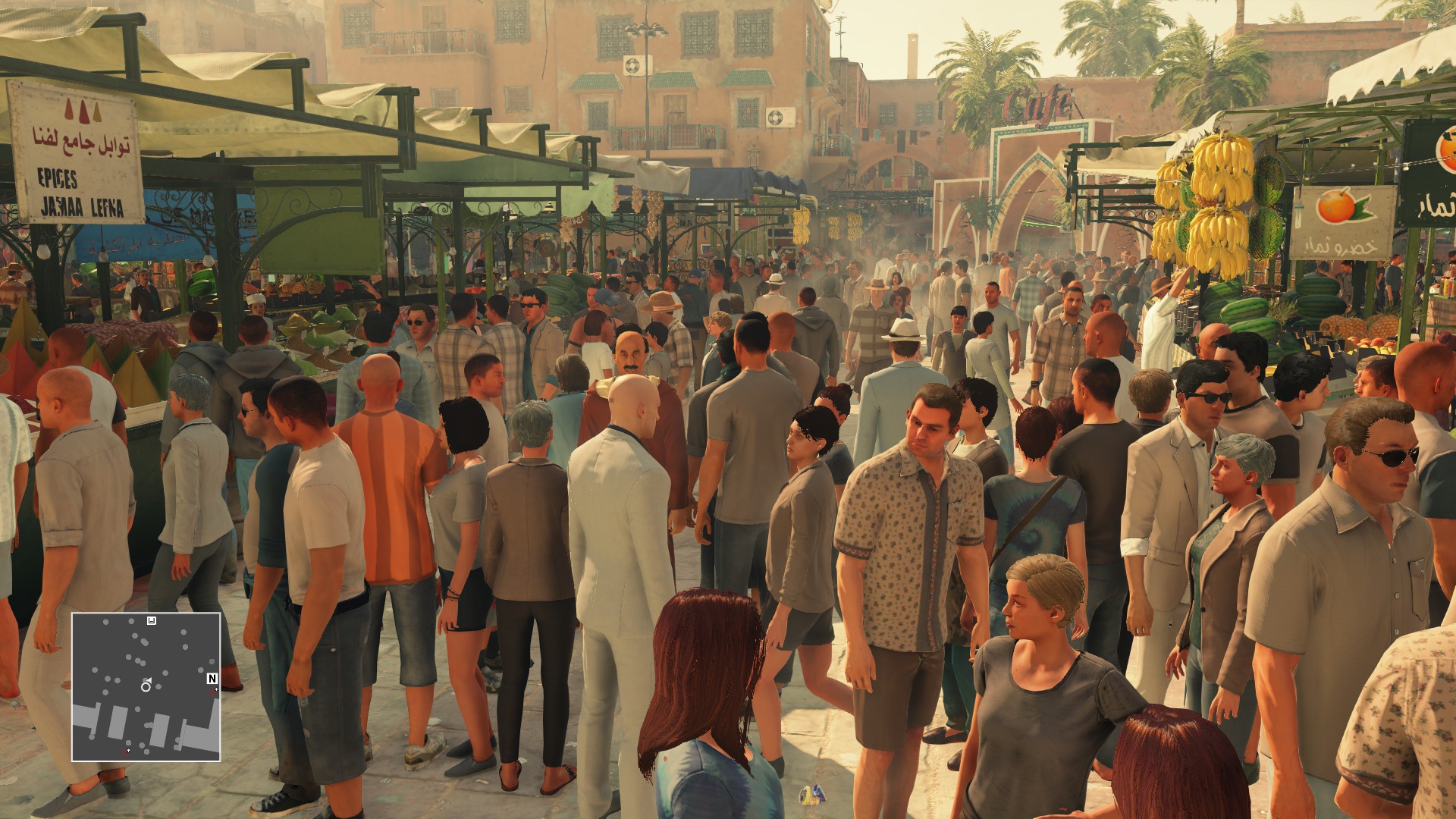
The larger, crowded environments are particular highlights

This plays out in various subtle ways during your missions, but none more so than when you do mess up. Rather than all going onto instant alert (think the Metal Gear exclamation mark), NPCs communicate your description to each other and word about Agent 47 slowly spreads around the map, giving you vital time to find a hiding place or another costume.

All of this takes place against some gorgeous, densely populated backdrops, each littered with genuinely funny dialogue and a variety of opportunities to take out your targets in your own way. Unfortunately, Hitman’s price tends to be a little on the high side, but if you get the chance I’d really recommend picking it up and giving it a go.

Monaco GP and Indy 500

As far as chilled out weekend days go, yesterday was a winner. I grabbed my buddies and a few beers and settled down on the sofa for a day of racing – first the Formula 1 Monaco Grand Prix and then the famous Indy 500 from Indianapolis.

Monaco isn’t known for being the most exciting grand prix, but this one had an unusually high amount of action, from Charles Leclerc attempting to make his way forward from the back of the field to Lewis Hamilton trying to hold off the challenge of Max Verstappen on rapidly deteriorating tyres – something he just about managed to do.

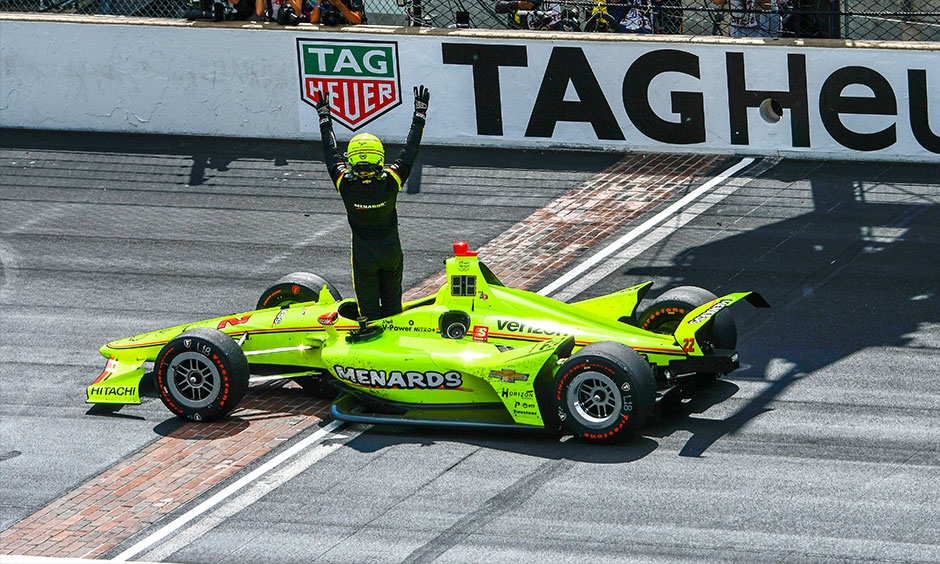
Simon Pagenaud celebrates on yard of bricks
Simon Pagenaud celebrates his Indy 500 victory on the yard of bricks

Then it was time for the all-American spectacle that is the Indy 500 – albeit one that was won by a Frenchman. After a few spectacular crashes and an intense battle over the last ten laps when the race was restarted, Simon Pagenaud retook the lead at the death, seeing off challenges from Alexander Rossi and Takuma Sato on the last few laps.

Over the last couple of years I’ve slowly been learning about Indy 500 traditions, but they keep coming. My friends were surprised to hear about what happens at the finishing line, where Pagenaud was expected to douse himself in milk and kiss the yard of bricks! It’s got nothing on Daniel Ricciardo’s traditional shoey, though…