Weezer at Brixton Academy

I’ll be honest: when Rivers Cuomo took to the stage and Weezer launched into their 1994 single Buddy Holly, I was a bit worried. The frontman’s choice of outfit and the way he handled himself reminded me more of Johnny Knoxville’s bad grandpa character than the lovesick poet of songs like Across the Sea, and I thought I might be in for a long night.

How wrong I was! With the formality of the band’s biggest hit out of the way, what followed was mainly a mix of Blue Album (My Name Is Jonas, Undone – The Sweater Song, Surf Wax America, In The Garage) and Pinkerton (Why Bother?, El Scorcho, Pink Triangle, The Good Life) favourites that were belted out by band and fans alike.
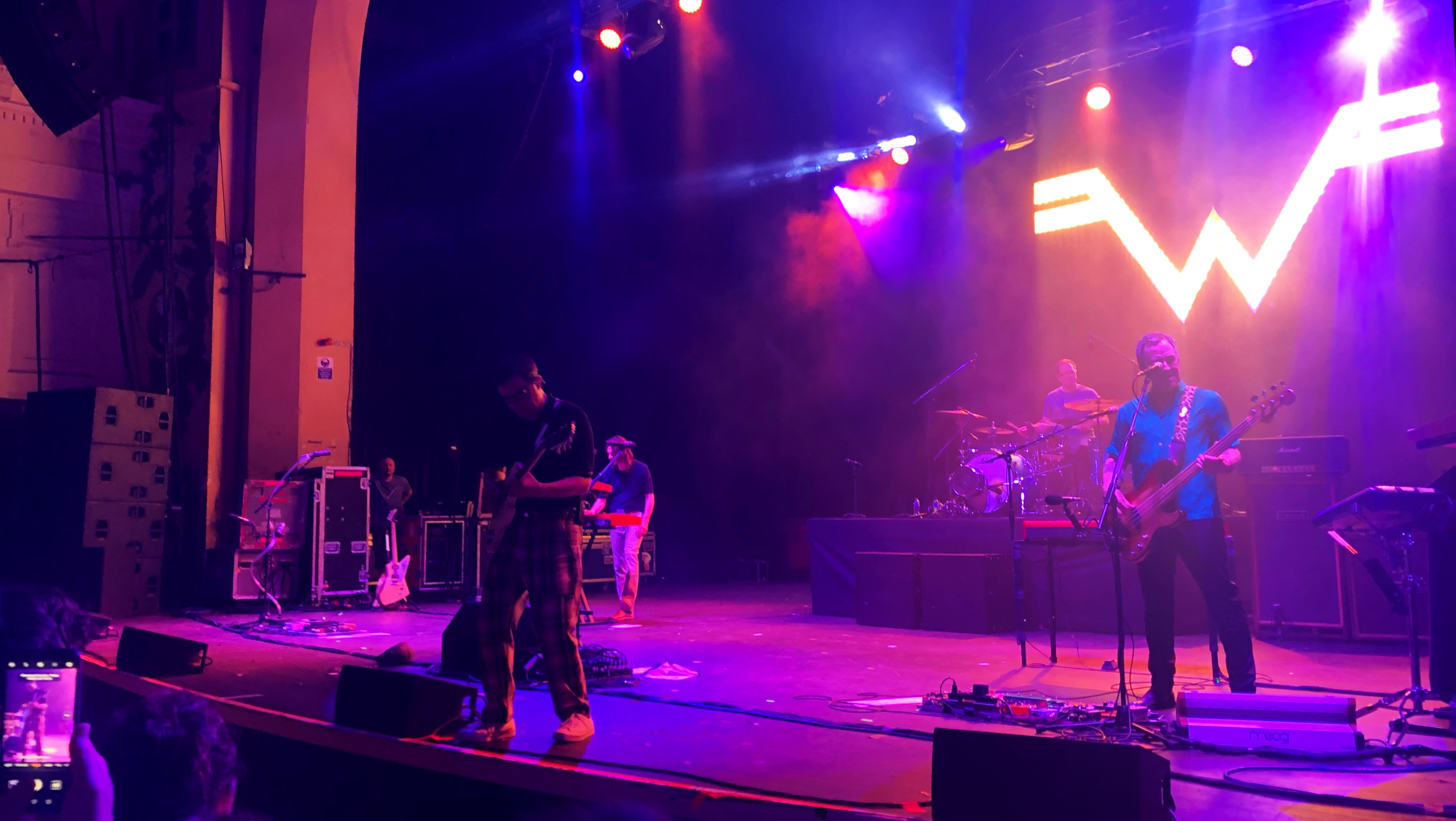
Weezer on stage at Brixton Academy (missing: Rivers Cuomo’s old man hat)

Seriously, I don’t think I’ve ever been to a gig that was this much of a singalong – made possible by a perfect storm of beloved 1990s songs and covers from this year’s Teal Album (Happy Together, No Scrubs, Take On Me, and of course Africa) and culminating in a encore performance of Say It Ain’t So that saw the chorus yelled from every corner of the Brixton Academy. It’s safe to say very few people left early for the Tube.

By 11pm I was in a daze. This gig was hard work – the singing, jumping, and dancing didn’t stop during the band’s 90-minute set thanks to the constant stream of fan favourites. I was covered in sweat and, in all honesty, feeling a bit faint. London had hit 34 degrees during the day and throwing myself into a 1929 building full of Weezer fans wasn’t exactly the best way to cool down. But I can honestly say it was completely worth it.
Drive

I’ve really been getting into the retrowave style over the last year or so, but one place I wasn’t expecting to find it was in the 2011 film Drive, starring Ryan Gosling as a movie stuntman turned getaway driver who gets into trouble with some local gangsters.

The intro scene was a particular highlight. Gosling visits Bryan Cranston, who gives him the keys to a 2006 Chevrolet Impala – “the most popular car in the state of California”. What follows is a clever and tense car chase scene, set at night and illuminated only by headlights and the neon colours of the dashboard. The whole thing is almost silent, with only engine noises and synthwave music providing the soundtrack.

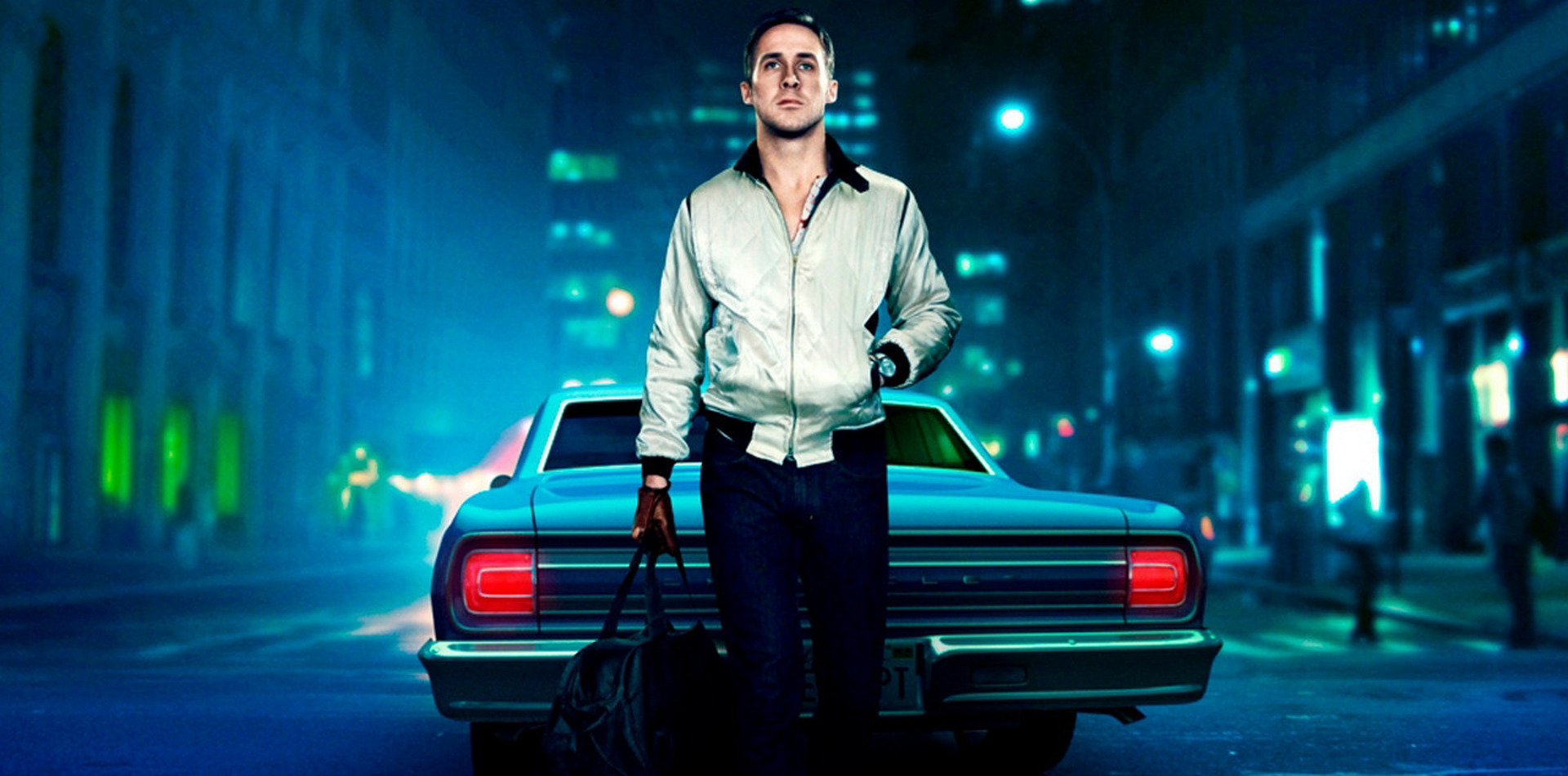
Ryan Gosling as the nameless lead character in Drive (2011)

As the film goes the storyline turns to some typical gang stuff, which is less engaging, but the mood is sustained throughout. An interesting detail is that Gosling’s lead character is never named – referred to only as “driver” in the credits – and he has very little dialogue over the course of the movie, with other characters often making assumptions about his reactions and breaking the silence to keep conversations going.

Drive’s plot is by no means perfect, and if this was another film done differently then it would have lost my interest somewhere in the middle. But for anyone else into synthwave or retrowave, or who just likes movies with unique styles, I’d recommend jumping into the waiting open door and letting Ryan Gosling take you for a ride.

Muse at the London Stadium

It’s difficult to know what to make of Muse’s gig at the London Stadium last night. Crowd management issues and a bland setlist might have left a sour taste in the mouth, but the band’s performance and the sheer scale and production value of the Simulation Theory Tour show were the main things I will remember from the evening.

You can’t deny that this show was one hell of a spectacle. Matt, Dom, and Chris were joined by a plethora of dancers, who did everything from firing smoke guns and abseiling up and down the stage’s LED screen in biohazard suits to commandeering giant metal exoskeletons. At one point Bellamy played a Simulation Theory-themed arcade machine, and the rock-heavy finale was invaded by a giant animatronic robot.

Giant robot Murph overshadows the Teignmouth trio

The setlist featured most of the Simulation Theory songs you’d expect – Algorithm, The Dark Side, Propaganda, Break It To Me, and the superior acoustic gospel version of Dig Down – alongside a selection of Muse’s greatest hits – Supermassive Black Hole, Starlight, Hysteria – and one or two surprises in the form of Bliss and Take A Bow.

There were a few heavier songs, including Stockholm Syndrome and New Born, but their lengths were significantly cut, and anything more obscure was relegated to the group’s “metal medley” – fans around me seemed just as disappointed when favourites like Assassin and Futurism were cut off just as they were getting going.

But this is the reality of a Muse album tour gig in 2019, I suppose. Fans like me who hope for older rarities are probably better off going to one of their smaller, rarer charity shows (if you can get a ticket). The other bonus to those gigs is that you won’t have to deal with the mess that was the London Stadium’s non-existent queueing system, the clueless stadium island staff, and the hour-long queue for the post-gig Tube home.