Once Upon a Time… in Hollywood

Quentin Tarantino’s latest film, Once Upon a Time… in Hollywood, has received mixed reviews both among critics and within my social group. Its detractors argue that it meanders over its two-and-a-half-hour duration, and one person I spoke to described it as “a lot about nothing”. However, having seen it at the cinema this week, I have to say I disagree. It’s different to the director’s other films, sure, but it’s got a lot going for it.

Once Upon a Time… is to Tarantino’s other movies what Better Call Saul is to Breaking Bad. It’s slower than, say, Pulp Fiction, and spends a lot more time scene-setting between action sequences (which take both physical and emotional form). This is augmented with frequent blasts of the film’s glorious 1960s soundtrack, which I’ve been listening to on Spotify in the days since the screening. The visuals are also gorgeous – particularly some of the driving scenes and the later shots that linger on Los Angeles’ neon lights.

Cliff Booth (Brad Pitt) and Rick Dalton (Leonardo Di Caprio) show us their coolest stares

That said, it’s the characters that really make the movie. The dynamic between Di Caprio’s washed-up Western star and Pitt, his stuntman, is so successfully executed that you stick with them even through some of their darker moments, and I’ll be the first to admit my emotions were caught up in the drama when their relationship was put under some strain later on. And Di Caprio has some especially hard-hitting moments as his character Rick Dalton realises his career – and by extension his life – may have already passed its peak.

All the components of Once Upon a Time… add up to something greater than the sum of its parts. A film about a mopey Western actor might not sound the most engrossing, but when combined with stellar acting, beautiful cinematography, a carefree ’60s soundtrack, and a sprinkling of takes on famous faces from the era, Tarantino’s latest really makes you feel a part of its setting, and provides a near-perfect couple of hours of cinema escapism.
The Great Hack

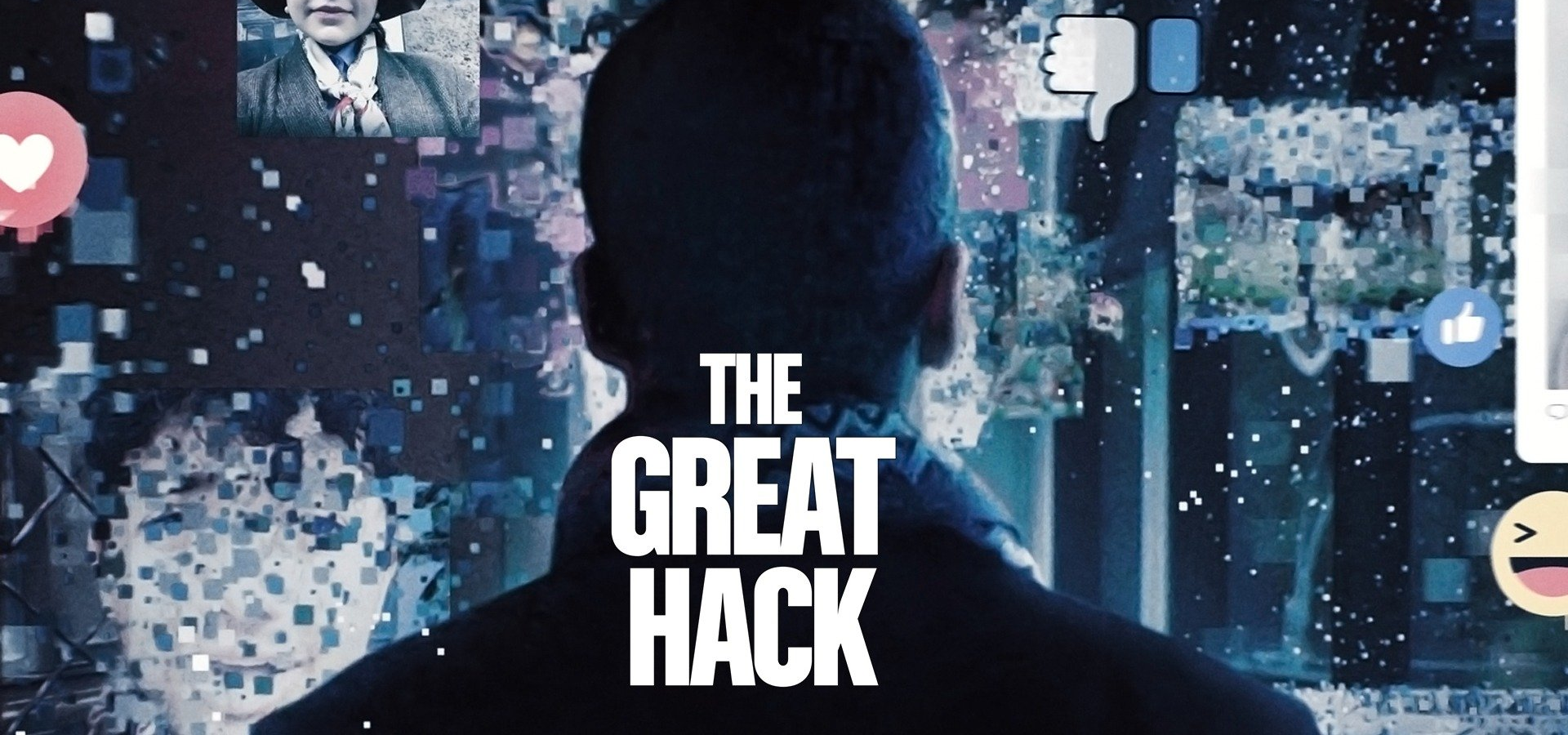
As part of my effort to keep my finger on the pulse, I settled in on this rainy Saturday night to watch The Great Hack – Netflix’s new documentary about Facebook and the Cambridge Analytica scandal concerning the use of user data in political campaigns. It had reviewed well and the streaming service has a track record for producing decent original content, so I was surprised when two hours later I was left slightly disappointed.

The production was slick and the narrative was there – this would be a fair introduction if you were unaware of the scandal – but there were a few too many empty cliches about how “we are the product” and “data is now more valuable than oil”. I felt like I learnt very little new information about what happened and was instead watching a series of people who were involved to varying degrees attempting to either make or clear their names.

The Great Hack’s issues go beyond the fact that there was no hacking involved

Of particular concern was the way it portrayed former Cambridge Analytica director Brittany Kaiser as a reformed heroine when her actions at any point were angled towards whatever was profitable to her. It was profitable to work with the Obama campaign and it was profitable to work for Cambridge Analytica and become a gun-toting Republican.

In fact, she only seemed to turn against data-driven political campaigning once it became apparent that a career as a privacy advocate might be more fruitful. And at one point in the film when it looks like things might turn against her in that arena she heads straight for the airport to leave the United States, leaving her belongings behind at a hotel. Despite behaviour like this, the documentary still seems to take everything she says at face value.

I felt like The Great Hack could have been a lot more and asked many more interesting questions than it did, but maybe I was expecting too much because I work in technology and followed the story of the Cambridge Analytica scandal as it broke. If the film serves as a gateway for the unaware to learn about the risks that come with big data then that’s a good thing, but there’s still a lot of ground for a deeper-diving documentary to cover.

Drive

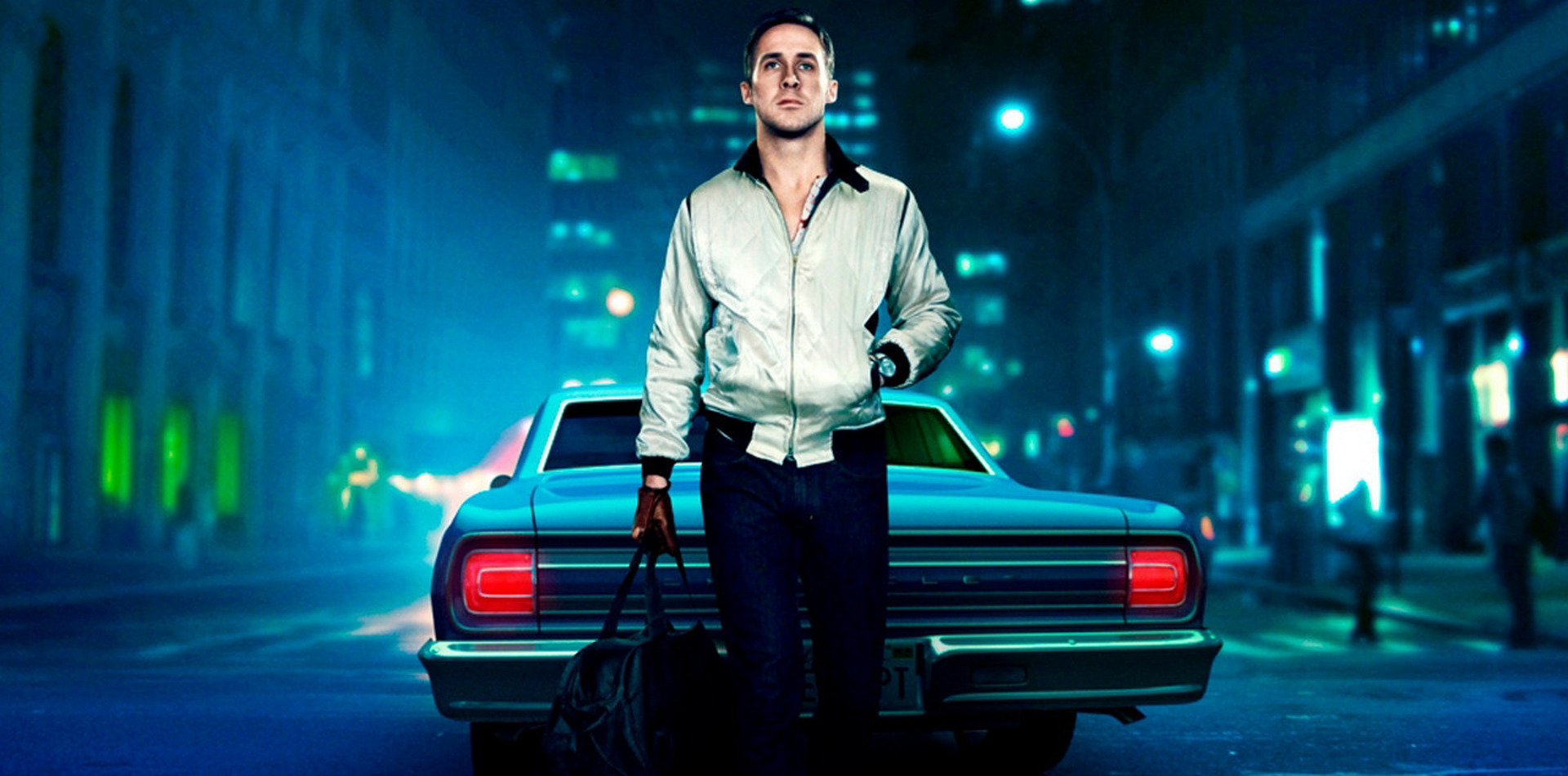
I’ve really been getting into the retrowave style over the last year or so, but one place I wasn’t expecting to find it was in the 2011 film Drive, starring Ryan Gosling as a movie stuntman turned getaway driver who gets into trouble with some local gangsters.

The intro scene was a particular highlight. Gosling visits Bryan Cranston, who gives him the keys to a 2006 Chevrolet Impala – “the most popular car in the state of California”. What follows is a clever and tense car chase scene, set at night and illuminated only by headlights and the neon colours of the dashboard. The whole thing is almost silent, with only engine noises and synthwave music providing the soundtrack.

Ryan Gosling as the nameless lead character in Drive (2011)

As the film goes the storyline turns to some typical gang stuff, which is less engaging, but the mood is sustained throughout. An interesting detail is that Gosling’s lead character is never named – referred to only as “driver” in the credits – and he has very little dialogue over the course of the movie, with other characters often making assumptions about his reactions and breaking the silence to keep conversations going.

Drive’s plot is by no means perfect, and if this was another film done differently then it would have lost my interest somewhere in the middle. But for anyone else into synthwave or retrowave, or who just likes movies with unique styles, I’d recommend jumping into the waiting open door and letting Ryan Gosling take you for a ride.